

Stewardship starts before the gift.
The balancing act of family capital
A major gift should not force a choice between personal security, your children’s future, and philanthropic ambition.
Significant giving seldom fits neatly around complex balance sheets, illiquid holdings, or the timing of a liquidity event. We bring philanthropic goals into the full financial plan, so major giving is deliberate and fits the broader family picture.
We advise families, charitable organizations, and community foundations on the decisions that put charitable capital to work.
The earlier the conversation, the more options remain.
- A significant gift.
- A business sale.
- An appreciated stock position.
- A new community initiative.
Taxes.Estate planning.Governance.Investment strategy.Family dynamics.Future opportunities.
Decisions look different from each side.
Family decisions
Philanthropy rarely exists in isolation. It often intersects with investment strategy, estate planning, business transitions, and family legacy.
We work through questions with clients such as:
- What role should philanthropy play in our family’s future?
- Which assets should be contributed?
- How much is enough?
- How should future generations participate?
- Which structures fit our goals and circumstances?
The goal is not simply to make a gift. It is to place capital with an organization structured to steward it long after the decision is made.
A family’s vision creates the opportunity.An organization’s governance sustains it.
Stewarding resources for a mission
Strong organizations require more than funding. They require stewardship, clear governance, and leadership capable of making difficult decisions over time.
The work often includes:
- Investment oversight
- Endowment and reserve strategy
- Governance and policy development
- Gift acceptance policies
- Planned giving initiatives
- Board and finance committee support
Our role is not to replace leadership. It is to strengthen it.

Connecting charitable intent with community need
Community foundations bring together donors, organizations, and opportunities that can shape a community for generations.
That work requires thoughtful governance, donor stewardship, planned-giving infrastructure, and disciplined oversight.
Three questions that shape stewardship
Accepting charitable capital
Before accepting a complex gift or expanding planned giving, what must the foundation have in place?
Balancing present and future needs
How should grants and future commitments shape liquidity and investment decisions?
Keeping decisions connected
Who is responsible for what, and how do gift-acceptance, spending, and investment policies work together?
We work with community foundations to build systems that serve both today’s commitments and tomorrow’s opportunities.

Three common kinds of gift
A gift works best when it supports both sides.
A gift can be right for the donor and wrong for the organization, or the other way around. We match a family’s intentions with what the organization can manage, before any money moves.
Gift 01
Endowments and restricted gifts
Family perspective
The gift continues to serve the family’s purpose for as long as intended.
Organization perspective
Balancing long-term endowment growth with the cash needed to operate today.
The shared solution
One gift, two purposes: some supports the long-term mission, and some covers today’s operating needs.
Gift 02
Land, a business, or stock that is hard to sell
Family perspective
Managing taxes and avoiding a rushed sale.
Organization perspective
Establishing clear policies to manage the costs and rules of accepting complex assets.
The shared solution
Both sides agree how the asset will be accepted and sold before it changes hands.
Gift 03
Large cash gifts and their timing
Family perspective
Setting aside enough for the family and the next generation before committing cash.
Organization perspective
Knowing when the money will arrive, so major projects can be planned.
The shared solution
The timing of the gift is planned as part of the family’s whole financial picture.
Neither side has to work it out alone. With both sides in view, a gift can do more than either expected.
How we work
Each side on its own terms
We look at the family’s plan and the organization’s needs separately, each with its own goals and governance.
The right specialists
We work with tax advisors, attorneys and the organization’s leaders who understand how the work happens in practice and the financial and non-financial capital it takes to sustain it.
Aligned before the gift is made
The asset, the timing and the terms come together while there is still room to choose, so the gift does what both sides intended.
Capital allocation & timing
What must be available now, and what must endure?
Capital needed next year should not be managed the same way as capital intended to support a mission decades from now.
Before deciding where capital should go, we first determine what it needs to do.
The allocation comes after.
Considering a gift, a charitable initiative, or the future of an organization?
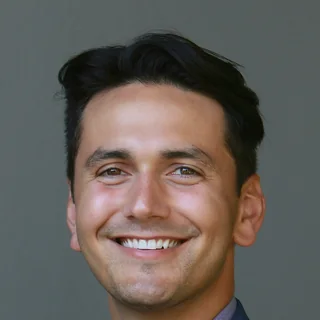 Patrick Fletcher, CFP®, CAP®, IPACo-Founder · Integration & Philanthropy